The 1901 Revival of the Rottweiler
It’s easy to look at the powerful, confident Rottweilers of today and assume they’ve always been a prominent fixture in our world. But the truth is, this magnificent breed faced a dramatic decline that brought them to the very brink of extinction at the turn of the 20th century. Many people don't realize how close we came to losing them forever, or the incredible dedication it took to bring them back. This guide delves into the inspiring story of the Rottweiler's revival, charting their journey from near-disappearance to their cherished status as working dogs and loyal companions.
A Breed on the Brink: The Rottweiler's Decline
Imagine a world without Rottweilers. It's a sobering thought for those of us who adore them. Yet, for a period in history, that almost became a reality. The very advancements that propelled society forward nearly spelled the end for these incredible dogs, whose traditional roles simply vanished with the changing times.
The End of an Era: Cattle Droving Becomes Obsolete
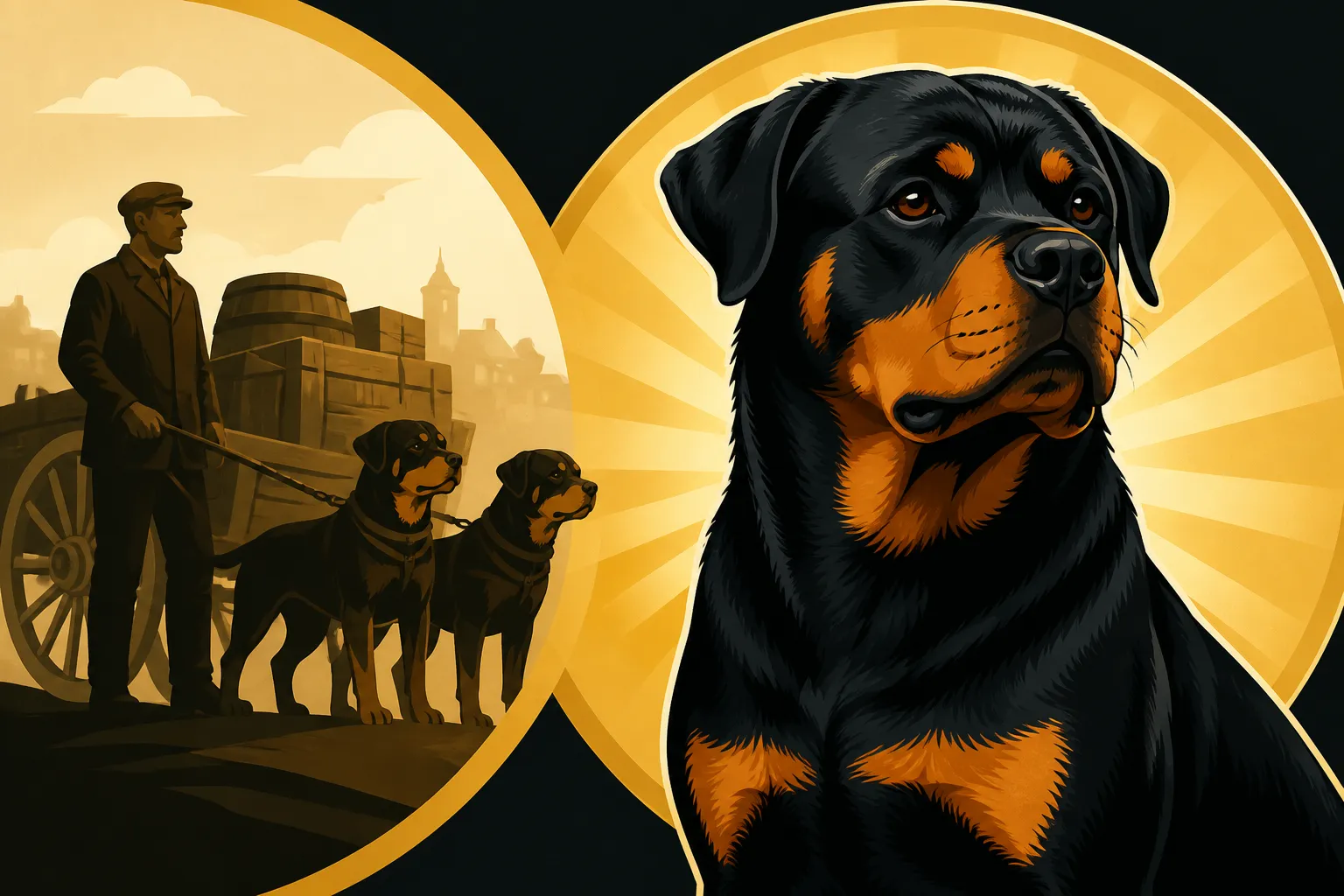
For centuries, the Rottweiler's ancestors, the "Metzgerhund" or "butcher's dog" from the town of Rottweil, were indispensable. They were the muscle and the brains behind the cattle drives that crisscrossed Europe, moving herds from pastures to market. These dogs guarded the cattle, kept them in line, and famously, even carried money satchels around their necks, protecting the butcher's earnings from highwaymen. Their strength, intelligence, and protective instincts were perfectly suited for this demanding work. They were, in essence, the four-legged employees of a booming industry. To understand their original purpose, it's worth learning about The Roman Drover Dogs Behind the Rottweiler and What a Metzgerhund Did in a Day's Work.
However, the late 19th century brought about a revolution in transportation: the railway. Suddenly, moving livestock across vast distances by train became far more efficient, faster, and less labor-intensive than walking them. The need for drover dogs, including the Rottweiler, plummeted. Their primary job, the very essence of their existence for generations, was gone. It wasn’t a gradual decline; it was a rapid shift that left a large, specialized working breed without a clear purpose in the evolving economy.
The Near Disappearance by the Turn of the Century
As their traditional work dried up, so did the Rottweiler population. Without a clear economic role, many breeders stopped breeding them, and existing dogs weren't replaced. By the turn of the 20th century, specifically around 1900, the breed's numbers had dwindled to alarmingly low figures. It's estimated that there were only a handful of Rottweilers left in their native region, and perhaps barely more than that across all of Germany. This wasn't just a reduction in popularity; it was a crisis of survival.
Imagine the quiet sorrow of those who remembered the breed's former glory, watching their numbers vanish. It’s a chilling reminder of how quickly even a robust and historically significant breed can fade into obscurity if its purpose is lost. The few remaining dogs were precious, their lineage holding the last threads of a rich history. Indeed, sources describe How Few Rottweilers Were Left by 1900, paint a vivid picture of this critical juncture, highlighting the desperate need for intervention to save these magnificent animals.
The Spark of Revival: Early 20th Century Efforts
Just when it seemed the Rottweiler might vanish entirely, a few dedicated individuals refused to let that happen. They saw past the disappearing cattle drives and recognized the inherent value and potential of the breed. Their efforts, often against considerable odds, laid the groundwork for the Rottweiler's incredible comeback.
Passionate Individuals Step Up
It truly was a grassroots effort, spearheaded by dog fanciers and working dog enthusiasts who understood what a loss it would be to let the Rottweiler disappear. These were not just people looking for a new pet; they were individuals who appreciated the breed's unique blend of strength, intelligence, and protective instinct. They believed in the Rottweiler's potential beyond the cattle fields and recognized its inherent qualities that could be adapted to new roles in a changing society.
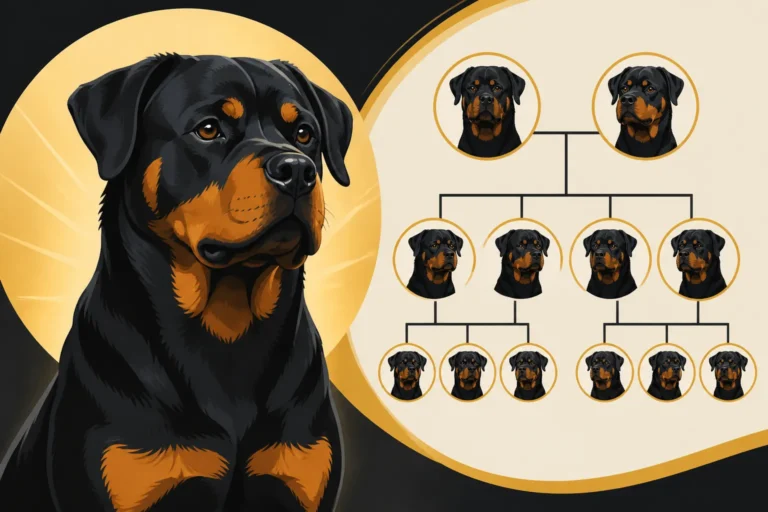
Their motivation stemmed from a deep respect for the breed's history and an unwavering belief in its future. They faced an uphill battle, needing to locate the last remaining specimens, evaluate their health and temperament, and carefully plan breeding programs from an extremely limited gene pool. It required immense dedication, a keen eye for breed type, and a lot of persuasion to get others on board. These The Fanciers Who Rebuilt the Rottweiler in 1901 were true heroes of the breed, without whom we wouldn't have the Rottweiler today.
The Birth of the First Rottweiler Clubs
To effectively organize and standardize the breed's revival, these passionate individuals realized they couldn't work in isolation. The establishment of dedicated breed clubs became crucial. These clubs provided a forum for breeders to collaborate, share knowledge, and collectively define the direction for the breed. They understood that mere survival wasn't enough; the breed needed to be preserved with its integrity intact, reflecting its historical type and working capabilities.
The first Rottweiler clubs emerged in Germany, notably the Deutscher Rottweiler-Klub (DRK) in 1907 and the Internationaler Rottweiler Klub (IRK) in 1907. These organizations were instrumental in documenting existing Rottweilers, establishing breeding guidelines, and promoting the breed's qualities to a wider audience. They were not just social clubs; they were the custodians of the breed's future, painstakingly rebuilding from the ground up. This collective action was a turning point, ensuring that individual efforts were consolidated into a powerful movement for preservation.
Defining the Future: Establishing the Breed Standard
Once the initial clubs were formed and the dedicated individuals began their work, the next critical step was to formalize what a Rottweiler should be. This meant developing and agreeing upon a breed standard, a detailed blueprint that would guide all future breeding and judging efforts. It was about more than just physical appearance; it was about solidifying the breed's character and working attributes.
Crafting the Ideal Rottweiler
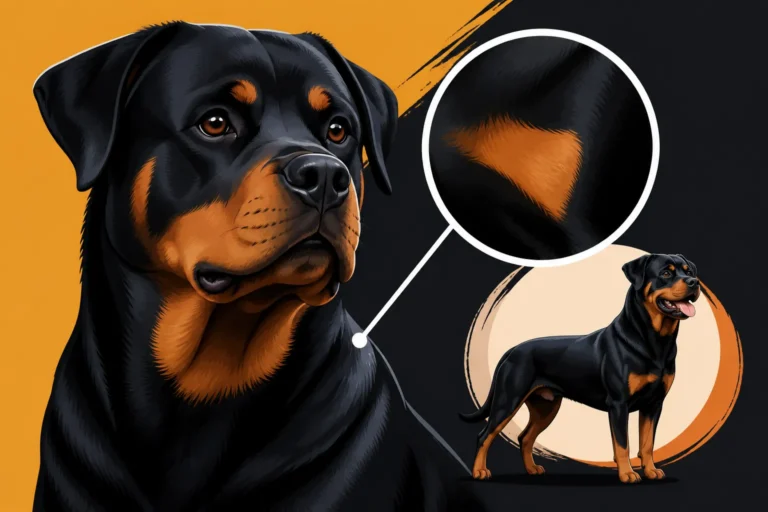
The process of crafting a breed standard is meticulous and crucial for any breed's survival and evolution. For the Rottweiler, it meant sitting down and defining every aspect: from its imposing head and powerful jaw to its distinctive black-and-tan markings, its compact yet robust body, and its confident, self-assured demeanor. The breeders and fanciers involved weren't just guessing; they looked back at historical records, at the last remaining examples of the "Metzgerhund," and discussed what characteristics made the Rottweiler so effective in its original role. They wanted to ensure that the revived breed would be functionally sound and true to its heritage.
Qualities such as strength, intelligence, loyalty, and a natural guarding instinct were prioritized. They understood that the Rottweiler was a working dog first and foremost, and its physical and mental attributes needed to support that. This period was vital in shaping the breed we know today, moving it beyond simply "a dog" to a precisely defined and recognized entity. This careful curation ensured that the Rottweiler didn't just survive but thrived as a distinct and capable breed.
Unifying Efforts Under a Single Standard
Initially, there might have been slight variations in how different enthusiasts or smaller groups envisioned the ideal Rottweiler. However, for the breed to truly flourish and gain widespread recognition, a unified standard was essential. This meant reconciling any minor differences and establishing a single, comprehensive document that all breeders and clubs would adhere to. The goal was consistency, ensuring that Rottweilers bred across different regions would still conform to the same type, both physically and temperamentally.
In 1921, a pivotal moment occurred with the formation of the Allgemeiner Deutscher Rottweiler-Klub (ADRK). This club united the efforts of the earlier groups and became the leading authority for the breed in Germany. The ADRK's standard became the definitive guide, setting the benchmark for what a true Rottweiler should embody. This unification was critical for the breed's long-term health and recognition, providing a clear roadmap for responsible breeding and preventing fragmentation of the breed type. Indeed, learning about The German Clubs That Set the Rottweiler Standard illuminates this crucial phase of development.
Beyond the Cattle Drive: New Roles for the Revived Breed
With the breed standardized and a dedicated community behind it, the Rottweiler was ready to step out of the shadows of the past and into new, modern roles. Its inherent capabilities, once used for herding cattle, proved to be incredibly versatile and valuable in a rapidly changing world.
Rediscovering the Rottweiler's Versatility
It became clear that the traits that made the Rottweiler an excellent drover and guardian – its intelligence, courage, unwavering loyalty, and immense strength – were perfectly adaptable to other forms of work. The breed quickly found its niche in public service. With its imposing presence and keen mind, it was a natural fit for roles requiring discipline and protection.
Early in the 20th century, Rottweilers began to be employed by the police and military. Their ability to learn complex commands, their deterrent presence, and their devotion to their handlers made them exceptional K9 partners. They served as messengers, guard dogs, and even medical assistants, demonstrating a versatility that far surpassed their original purpose. This re-discovery of their working potential was key to their sustained revival and ensured they were no longer an obsolete breed. It's fascinating to explore Rottweilers in the First World War and Rottweilers Among the Earliest Police Dogs to understand how quickly they adapted to these vital new roles.
The Path to International Recognition
As the Rottweiler proved its worth in these new capacities, its reputation began to spread beyond Germany's borders. News of these capable and loyal working dogs piqued the interest of enthusiasts and working dog organizations in other countries. The breed's robust health and stable temperament, carefully cultivated by the revival efforts, made them highly desirable.
The Rottweiler gradually gained recognition from major kennel clubs around the world. In the United States, the American Kennel Club (AKC) officially recognized the breed in 1931, placing it in the Working Group. This international acceptance was a significant milestone, solidifying the breed's place in the canine world and leading to its growth in popularity across North America and beyond. The story of The Decade Rottweilers Started Arriving in America details this exciting period of expansion, showing how the breed transitioned from a regional treasure to a global phenomenon. It was a testament to the foresight and dedication of those who saved them, proving that the Rottweiler was not just a relic of the past, but a dog with a powerful future.
The Legacy of the Revival: The Modern Rottweiler
The Rottweiler you see today, whether it's a family pet, a working police dog, or a champion in the show ring, is a direct descendant of those few resilient dogs and the determined individuals who saved them. Their legacy is evident in every well-bred Rottweiler's strength, intelligence, and unwavering loyalty.
A Testament to Dedicated Breeders and Enthusiasts
The survival and subsequent popularity of the Rottweiler breed are a powerful testament to the tireless efforts of early breeders and enthusiasts. They didn't just save a breed; they preserved a piece of history and ensured that the incredible qualities of the Rottweiler would continue for generations. Modern responsible breeders continue this legacy by upholding rigorous standards, focusing on health, temperament, and adherence to the breed standard established over a century ago. This commitment means conducting thorough health screenings, understanding genetic predispositions, and making careful choices about breeding pairs. Many breeders utilize trusted sources for their supplies, much like how a family might order from Chewy for their pet's needs, emphasizing quality and accessibility in their care routines.
Responsible breeding today involves screening for conditions like hip and elbow dysplasia, heart disease, and inherited neurological conditions like JLPP. These comprehensive health checks are vital for the breed's long-term well-being. Knowing The Five Clearances a Rottweiler Breeder Must Have helps prospective owners understand the depth of commitment involved in preserving a healthy breed. It’s a continuous cycle of care, knowledge, and dedication that builds upon the foundations laid by the revivalists.
A Cherished Companion and Protector
Today, the Rottweiler is cherished globally, valued for its dual nature as both a formidable protector and a devoted family member. When properly socialized and trained, a Rottweiler exhibits a calm, confident, and even affectionate demeanor with its family. Their reputation as aloof with strangers, detailed in articles like Rottweiler Temperament and That Self-Assumed Aloofness, is not a sign of aggression but rather a reflection of their discerning nature – they observe, assess, and decide who is worthy of their trust. This discernment is a trait carefully preserved from their guarding past.
However, their rise in popularity in the latter half of the 20th century also led to some challenges, as irresponsible breeding and lack of proper socialization by some owners gave the breed an undeserved negative image. Education remains crucial to dispel these misconceptions, highlighting that a well-adjusted Rottweiler is a stable, reliable, and loving companion. The breed's journey from obscurity to beloved status is a reminder that proper care, training, and understanding are paramount for any dog, especially one with such a powerful heritage.
Ongoing Challenges and the Future of the Breed
Even after a successful revival, the journey for any breed is never truly over. The Rottweiler still faces ongoing challenges that require continued vigilance from breeders, owners, and enthusiasts to ensure its future remains bright and its legacy honored.
Maintaining Health and Temperament
The diligent efforts of early clubs to establish a breed standard and promote health were monumental, but the work never stops. Modern Rottweiler breeders must continually address the genetic health concerns prevalent in large breeds. Conditions like hip and elbow dysplasia, osteosarcoma, and certain heart conditions remain focal points for responsible breeding programs. Regular health clearances and careful selection of breeding stock are essential to mitigate these risks and contribute to a healthier future for the breed. For instance, understanding Rottweiler Lifespan and the Eight to Ten Year Average and the factors that influence it is crucial for owners and breeders alike. This proactive approach ensures that the breed doesn't regress on the progress made during its revival.
Temperament is another critical aspect that requires constant attention. While the standard calls for a calm, confident dog, poor breeding practices or inadequate socialization can lead to undesirable traits. Dedicated breeders aim to produce Rottweilers with stable, predictable temperaments that are suitable for various roles, from family companions to working dogs. Continued education for owners on proper socialization and training techniques, often with resources that can be found on large pet supply sites like Chewy, is vital to ensure that each Rottweiler develops into a well-adjusted member of society.
Navigating Public Perception
One of the most persistent challenges for the Rottweiler is navigating public perception. Despite their loyal and gentle nature within their families, the breed has historically been subject to negative stereotypes, often fueled by sensational media reports or incidents involving poorly trained or irresponsible owners. This has led to breed-specific legislation (BSL) in many areas, where Rottweilers are banned or restricted based purely on their breed, rather than individual behavior. This can be incredibly frustrating for responsible owners who understand the true nature of their dogs.
The future of the Rottweiler depends heavily on continued advocacy and education. Responsible owners, trainers, and breeders must actively work to showcase the breed's positive attributes, demonstrating their versatility, trainability, and suitability as family companions. Engaging in community events, participating in canine good citizen programs, and simply being a responsible dog owner all contribute to changing perceptions. Articles like Why Breed-Specific Laws Keep Naming the Rottweiler underscore the importance of these ongoing efforts. The fight for fair representation is a modern extension of the original revivalists' struggle – ensuring the Rottweiler is not only present but also understood and appreciated for the magnificent animal it truly is.
| Era/Phase | Key Characteristics | Impact on Breed | Challenges Faced |
|---|---|---|---|
| Pre-1900s (Drover) | Cattle herding, guarding butchers' money | Integral to local economy, high population | Dependence on a single industry |
| Late 1800s (Decline) | Railways emerge, cattle droving obsolete | Near extinction, numbers critically low | Loss of purpose, lack of economic value, dwindling gene pool |
| Early 1900s (Revival) | Dedicated individuals, formation of breed clubs | Preservation efforts begin, focus on standardizing | Limited stock, establishing consensus on breed type |
| 1920s-1930s (New Roles) | Police/military work, international recognition | Population growth, increased versatility, AKC recognition | Adapting to new environments, spreading awareness |
| Modern Era (Cherished) | Family companions, continued working roles, global presence | Stable population, diverse roles, strong breed community | Public perception, genetic health management, BSL |
Disclaimer
This article is for general informational purposes only and does not constitute professional advice. Laws, prices and regulations vary by location and change over time. Consult a qualified professional for guidance on your specific situation.