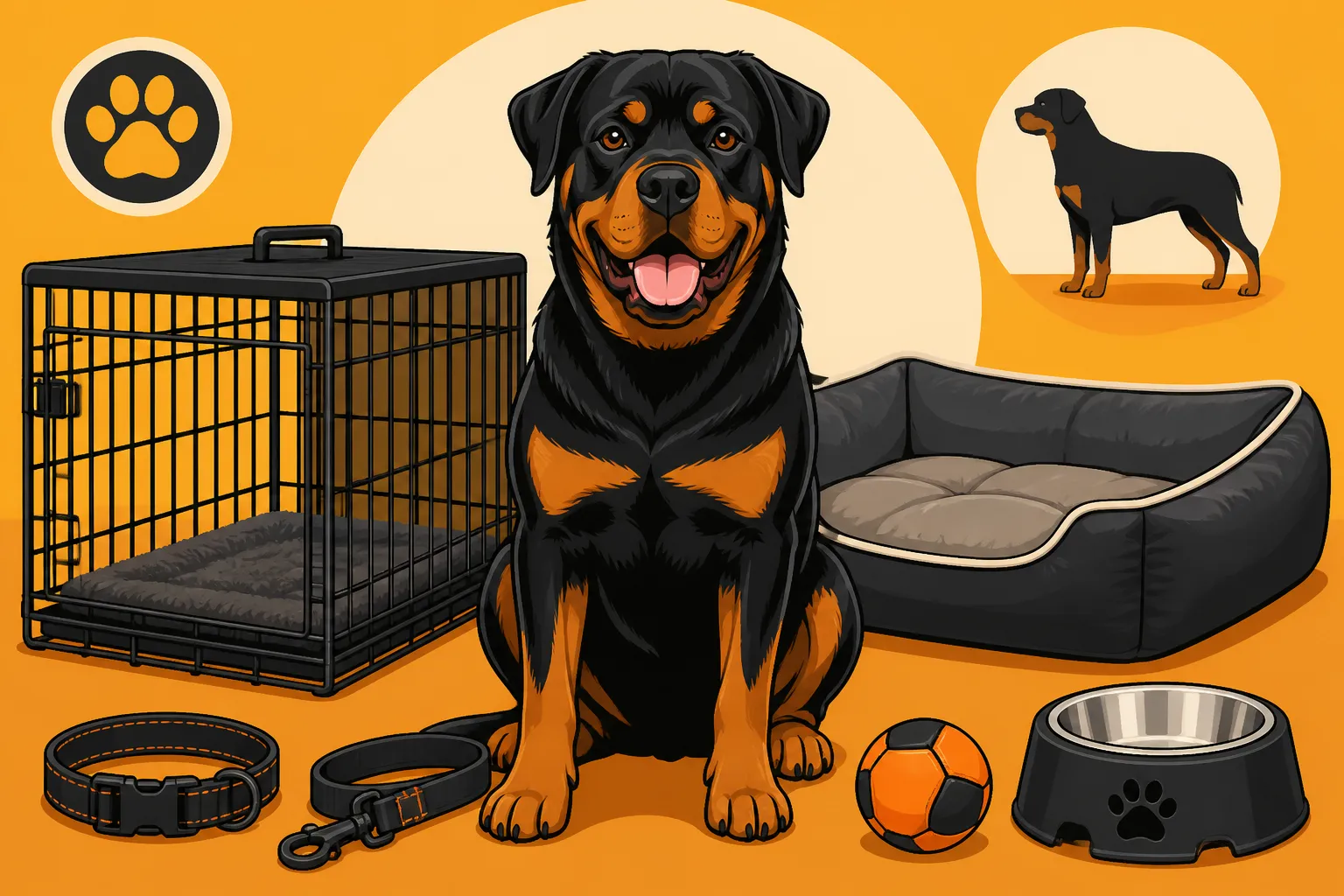
Rottweiler Crates, Beds and Gear at That Size
Bringing a Rottweiler into your home means preparing for a truly magnificent, powerful dog. But let's be honest, their sheer size changes everything when it comes to shopping for essential gear. You can't just pick up any old bed or crate; you need robust, durable, and appropriately sized items that will stand up to a dog that can easily weigh over 100 pounds. This guide will walk you through selecting the right crates, beds, and other critical gear to keep your big Rottweiler safe, comfortable, and well-equipped for life.
Choosing the Right Crate for Your Rottweiler
Crates are an indispensable tool for Rottweiler owners, serving as a safe den, a house-training aid, and a management tool. But a Rottweiler puppy quickly grows into a substantial adult, and you'll need a crate that accommodates their full size and strength. Skimping here can lead to ruined crates, escaped dogs, and potential safety hazards.
Selecting the Correct Size and Type of Crate
When it comes to Rottweiler crates, "bigger is better" holds true, but there's a sweet spot. A crate should be large enough for your Rottweiler to stand up, turn around comfortably, and lie down fully stretched out. For an adult male Rottweiler, this often means a crate that is at least 48 inches long, 30 inches wide, and 33 inches high. Females might fit in a slightly smaller 42-inch crate, but always check their specific measurements. You're looking for ample space, not a mansion, as too much space can undermine house-training efforts by allowing them to soil one end and sleep in the other.
There are several types of crates to consider. Wire crates are popular for their ventilation and collapsibility, making them easy to transport or store. However, a determined, anxious Rottweiler can sometimes bend or break wire if it's not heavy-gauge. Plastic crates (often called "airline crates") offer a more den-like feel and are excellent for travel due to their enclosed nature, but they can be bulkier. Heavy-duty steel crates are often the go-to for strong, escape-artist Rottweilers or those with separation anxiety. These are usually constructed from thicker steel bars and have more secure latching mechanisms, designed to withstand immense force.
Crate Materials and Durability
The material and construction quality of your Rottweiler's crate are paramount. For a breed known for its power and strong jaws, flimsy materials simply won't cut it. Standard thin-gauge wire crates from big box stores might suffice for a small puppy, but a rapidly growing Rottweiler can quickly overwhelm them. Look for crates made from thicker wire or heavy-duty steel. The gauge of the wire is important; lower gauge numbers mean thicker, stronger wire.
Consider features like reinforced corners, multiple secure latch points, and a strong, non-chewable pan at the bottom. Some crates offer divider panels, which are incredibly useful for puppies, allowing you to expand the crate size as your Rottweiler grows. This ensures you're buying one crate for their lifetime rather than constantly upgrading. If your Rottweiler experiences distress in the crate, especially during the night, it's worth reviewing strategies for how to deal with a Rottweiler that cries at night.
Finding the Perfect Bed for a Giant Breed
A good bed is not a luxury for a Rottweiler; it's a necessity for their long-term health and comfort. Their size and predisposition to joint issues like hip and elbow dysplasia mean that supportive bedding is critical from a young age. Investing in the right bed can literally add years of comfort to their life.
Orthopedic Support and Material Choices
Given the Rottweiler's substantial weight and propensity for conditions like Rottweiler Hip Dysplasia and the OFA Grade, orthopedic support in a bed is non-negotiable. Look for beds made with high-density, human-grade memory foam or solid orthopedic foam. These materials conform to your dog's body, evenly distributing their weight and relieving pressure points on joints, hips, and elbows. Cheap, shredded foam or polyfill beds compress quickly under a Rottweiler's weight, offering minimal support and essentially becoming glorified floor cushions.
Beyond the core support, consider the cover material. Durable, easy-to-clean fabrics are ideal. Look for removable, machine-washable covers, preferably made from strong canvas, Cordura, or microsuede, which can withstand repeated washing and daily wear. Water-resistant liners are also a huge plus, protecting the foam from accidents, drool, or wet paws. Brands like Big Barker are well-regarded for their robust orthopedic beds designed specifically for large and giant breeds. You'll find a great selection of durable, large-breed beds on sites like Chewy.
Durability Against Chewing and Nesting
Rottweilers can be power chewers, especially during their puppy and adolescent phases, and some adults continue to enjoy "redecorating" their beds. This means any bed you choose must be built to last. Look for beds advertised as "chew-proof" or "indestructible," though absolute chew-proof is a lofty claim for a Rottweiler. Beds with reinforced seams, hidden zippers, and tough outer fabrics are your best bet. Avoid beds with exposed zippers or easy-to-grab tags that can become an inviting target for determined teeth.
Many Rottweilers also love to "nest" or dig at their bedding before settling down. While this is natural behavior, it can quickly destroy thinner materials. Consider beds with robust, tightly woven covers that resist snagging and tearing. Another excellent option for powerful chewers and nesters is a raised cot-style bed. These typically feature a sturdy metal frame and a durable, elevated mesh or canvas sleeping surface. They offer excellent ventilation and keep your dog off cold floors, and because there's no soft, squishy filling to tear apart, they tend to last much longer. When searching for beds, specifically look for those designed to survive the weight of a heavy dog like a Rottweiler.
Here's a quick comparison of common bed types for Rottweilers:
| Bed Type | Pros | Cons | Ideal For |
|---|---|---|---|
| Orthopedic Memory Foam | Excellent joint support, pressure relief, warmth. | Can be expensive, some covers not chew-resistant. | Senior Rottweilers, dogs with joint issues, any adult Rottweiler. |
| Raised Cot/Hammock Style | Extremely durable, chew-resistant, excellent ventilation, keeps dog off floor. | Less "cushy" feel, no built-in warmth. | Chewers, outdoor use, hot climates, dogs needing airflow. |
| Bolster/Donut Beds | Provides head/neck support, cozy "den" feeling. | Often less orthopedic support, bolsters can be chewed. | Rottweilers who like to curl up and rest their heads, gentle sleepers. |
| Self-Warming Beds | Utilizes body heat for warmth, soft. | Limited orthopedic support, not chew-proof. | Older Rottweilers in cold climates, non-chewers. |
Harnesses, Collars, and Leash Essentials
Handling a powerful Rottweiler on a leash requires gear that is not only strong and durable but also comfortable and safe for your dog. A sudden lunge from a 100+ pound dog can easily injure you or them if your equipment isn't up to the task.
Strong Collars and Harnesses Sized for a Rottweiler
For collars, a sturdy flat buckle collar made of thick nylon or leather is a good starting point. Ensure it's at least 1-inch wide, if not 1.5-inches, to distribute pressure across their strong neck. The buckle and D-ring should be heavy-duty metal, not plastic, which can snap under sudden strain. A martingale collar can be an excellent choice for a Rottweiler, as it tightens slightly when pulled, preventing them from backing out of their collar without choking them. This is particularly useful for dogs with thick necks that can easily slip a standard flat collar.
Harnesses are often preferred, especially for puppies or dogs with sensitive necks, as they distribute pressure across the chest and shoulders rather than the throat. For a Rottweiler, you'll need a robust, well-fitting front-clip or dual-clip harness. Front-clip harnesses are particularly effective at discouraging pulling, as they redirect your dog's momentum back towards you. Look for harnesses with thick, padded straps to prevent chafing, and ensure all buckles and D-rings are heavy-duty metal. Thin, flimsy harnesses designed for smaller breeds will chafe, stretch, or break on a strong Rottweiler. When selecting gear, always look for robust harness hardware that holds a pulling Rottweiler.
Leashes and Long Lines for Training and Walks
Just like collars and harnesses, your leashes need to be exceptionally strong. A standard 6-foot leash made of heavy-duty nylon or leather is essential for daily walks. Look for leashes with robust, solid metal clips (like bolt snaps or trigger snaps) that won't bend or break. Avoid retractable leashes with Rottweilers; they offer minimal control over a powerful dog, can snap unexpectedly, and the sudden jerk can cause serious injury to both you and your dog.
For training, especially recall work or giving your Rottweiler more freedom in a safe, open area, a long line is invaluable. These are typically 15 to 30 feet long and allow your dog to explore while remaining under your supervision. Again, choose a long line made from strong, durable material like biothane or heavy-duty nylon, with a robust clip. Always ensure the area is secure and free of hazards before using a long line. Remember, proper leash manners are crucial before your Rottweiler outweighs you entirely, so consider enrolling in obedience classes early.
Feeding and Hydration Gear Designed for Large Dogs
Feeding a large dog like a Rottweiler isn't just about the food itself; the bowls and feeding setup play a role in their health and safety. From preventing bloat to encouraging slower eating, the right gear makes a difference.
Elevated Bowls and Bloat Prevention
The topic of elevated bowls for large breeds like Rottweilers and their link to bloat (gastric dilatation-volvulus or GDV) has been a subject of ongoing debate. While older studies suggested a potential link to increased bloat risk, more recent research has been inconclusive or suggested other factors are more influential. The current consensus is that there isn't definitive proof that elevated bowls either prevent or cause bloat. However, many owners still prefer them, especially for older Rottweilers or those with joint issues, as they can provide a more comfortable eating posture by reducing strain on the neck and joints. If you have a senior Rottweiler with mobility decline or a young dog with unclosed growth plates, an elevated feeder can certainly make mealtime more comfortable.
If you opt for elevated bowls, choose a sturdy, heavy stand that won't tip over. The bowls themselves should be made of stainless steel, which is easy to clean, hygienic, and durable. Plastic bowls can harbor bacteria and get scratched, creating hiding places for germs. Ceramic bowls, while heavy, can chip or break. Remember to consider all the factors that lower Rottweiler bloat risk, including feeding rules that lower Rottweiler bloat risk, as equipment is just one piece of the puzzle.
Slow Feeders and Portion Control
Rottweilers, like many large breeds, can be enthusiastic eaters who gulp down their food far too quickly. This rapid ingestion of air along with food can be a contributing factor to bloat and can also lead to indigestion and vomiting. Slow feeder bowls are an excellent solution. These bowls have various ridges, mazes, or pillars that force your Rottweiler to eat around obstacles, significantly slowing down their mealtime.
You can find slow feeder bowls made of stainless steel or sturdy, food-grade plastic. Just ensure the plastic is durable enough not to be chewed through by your Rottweiler. Beyond slow feeders, portion control is also vital. While some owners free-feed, precise measuring is crucial for managing a Rottweiler's weight and ensuring they receive the correct daily calories for a hundred twenty pound Rottweiler. Investing in a kitchen scale to weigh food is more accurate than relying on measuring cups, especially when working with precise dietary guidelines from your vet, or if your vet recommends cutting a Rottweiler's ration while keeping two meals to manage weight. Brands like Chewy offer a wide array of slow feeders designed for large-breed appetites.
Water Bowls and Hydration on the Go
A large dog like a Rottweiler needs constant access to fresh water. Their water bowl should also be stainless steel for hygiene and durability, and heavy enough not to be easily tipped over. If your Rottweiler likes to "play" with their water, consider a heavier ceramic bowl or a bowl with a non-slip rubber base. For outdoor use, a large, heavy-duty bucket or a dedicated outdoor water station is practical.
When you're out and about, whether for a walk, a hike, or a trip to the dog park, bringing water is non-negotiable. Portable water bottles with attached drinking troughs or collapsible silicone bowls are excellent for ensuring your Rottweiler stays hydrated. Remember, a Rottweiler's large size and black coat can make them prone to overheating, so proper hydration, especially on hot days, is critical.
Toys and Enrichment for a Powerful Chewer
Rottweilers are intelligent, powerful dogs with strong jaws and a need for mental and physical stimulation. Simply tossing them a flimsy toy won't cut it; you need toys that can withstand their chewing power and keep their minds engaged.
Indestructible Toys for Rottweiler Jaws
Let's face it, many "durable" dog toys don't stand a chance against a Rottweiler's jaws. For these power chewers, you need toys made from extremely tough, almost indestructible materials. Brands like Kong (their extreme black line), Nylabone (their tougher chews), and GoughNuts are specifically designed for heavy chewers. These toys are often made of dense rubber or nylon and can withstand significant abuse.
Always supervise your Rottweiler with new toys to ensure they don't break off pieces that could be swallowed. Replace toys as soon as they show significant wear and tear to prevent choking hazards or gastrointestinal blockages. While no toy is truly 100% indestructible, investing in high-quality, power-chewer specific toys will save you money in the long run and keep your Rottweiler safely entertained. You'll find that only a select few chew toys survive the jaw of a mature Rottweiler.
Puzzle Feeders for Mental Stimulation
Rottweilers thrive on mental challenges, and puzzle feeders are a fantastic way to provide enrichment, slow down eating, and reduce boredom. These toys require your dog to work to get their food or treats out, stimulating their problem-solving skills. Puzzle feeders come in various designs, from simple treat-dispensing balls to more complex interactive games.
When choosing a puzzle feeder, again, consider your Rottweiler's strength. Opt for durable, heavy-duty plastic or rubber models that can withstand chewing and being tossed around. Many of these feeders are designed for large dogs and can accommodate their larger kibble. Brands like Nina Ottosson (available on Chewy) offer a range of interactive puzzles that can be adjusted for difficulty, keeping your Rottweiler engaged as they learn. You can also make DIY puzzle feeders using cardboard boxes or plastic bottles, but always supervise closely to ensure safety.
Appropriate Chew Toys Beyond the Usual Squeakers
Beyond puzzle toys and "indestructible" rubber, a variety of appropriate chew toys are essential for your Rottweiler's dental health and to satisfy their natural urge to chew. Hard rubber toys (like the classic Kong), safe nylon chews, and even some natural options like bully sticks (supervised, of course) can be great. However, be extremely cautious with natural bones, antlers, and anything that is harder than your Rottweiler's teeth. A Rottweiler's powerful bite can easily crack molars on items like natural antlers or extra-hard Nylabones, leading to expensive dental emergencies. It's important to understand what bones and chews a Rottweiler should not have.
For strong chewers, consider softer, consumable chews like dental chews designed for large breeds. Always check the ingredients and ensure they are appropriate for your dog's diet and size. Regular dental care, including brushing your Rottweiler's teeth and professional cleanings, remains crucial regardless of their chew toy habits.
Travel and Safety Gear
Traveling with a Rottweiler, even just for a vet visit, requires specific safety gear to ensure their security and the safety of everyone in the vehicle. Their size means they can become a dangerous projectile in an accident if not properly restrained.
Car Barriers and Travel Crates
For shorter trips or if your Rottweiler is well-behaved in the car, a sturdy car barrier can be a good option. These barriers typically fit between the back seat and the cargo area (for SUVs/hatchbacks) or between the front seats, preventing your Rottweiler from accessing the front of the vehicle. Choose a heavy-duty metal barrier that is securely installed and designed for large dogs. Flimsy mesh barriers are generally insufficient for a determined Rottweiler.
For ultimate safety, a crash-tested travel crate or car harness is the best choice. While many soft-sided crates or standard wire crates are fine for general transport, they offer little protection in a collision. Look for crates specifically labeled as "crash-tested" by organizations like the Center for Pet Safety (CPS). These often include heavy-duty aluminum crates or reinforced steel travel crates that are designed to withstand impact. Alternatively, a crash-tested car harness (like those from Sleepypod or Kurgo) can secure your Rottweiler to the seatbelt, preventing them from being thrown forward. You'll want to ensure you have specific car barriers and travel crates that can withstand your large dog.
Ramps and Mobility Aids for Joint Health
As Rottweilers grow and age, their joints can become a concern. Even young, healthy Rottweilers can benefit from avoiding repeated high-impact activities like jumping in and out of cars or climbing steep stairs. Using a ramp or set of sturdy dog steps can significantly reduce the cumulative stress on their hips, elbows, and spine. This is especially important considering that Rottweiler growth plates close so late, often not fully fusing until 18 to 24 months of age. Excessive jumping during this critical period can lead to developmental orthopedic issues.
Look for ramps that are specifically designed for large breeds, with a non-slip surface and a gradual incline. The ramp should be wide enough for your Rottweiler to feel secure and have a high weight capacity. Getting your Rottweiler accustomed to using a ramp from a young age can make it an effortless routine when they are older or if they develop mobility issues. For senior Rottweilers or those with existing arthritis, a ramp can literally be a lifesaver, preserving their independence and preventing further injury. You definitely want to avoid a situation where your Rottweiler has to jump down from the car, especially as they age.
Disclaimer
This guide is for informational purposes only and is not a substitute for professional veterinary advice. Always consult with your veterinarian regarding specific health concerns, dietary needs, or exercise regimens for your Rottweiler. Product recommendations are general; always check product specifications and user reviews to ensure suitability for your individual dog.